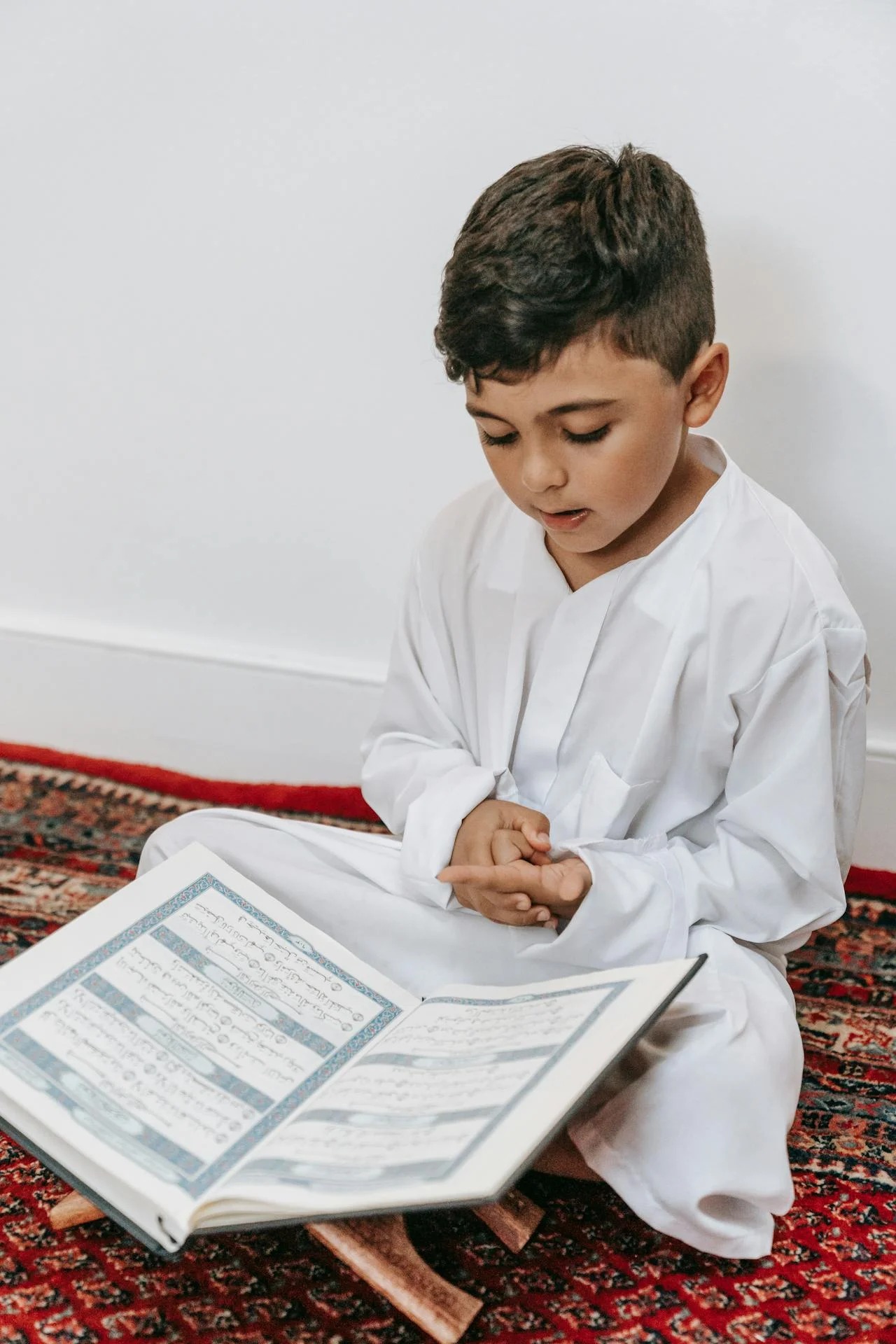
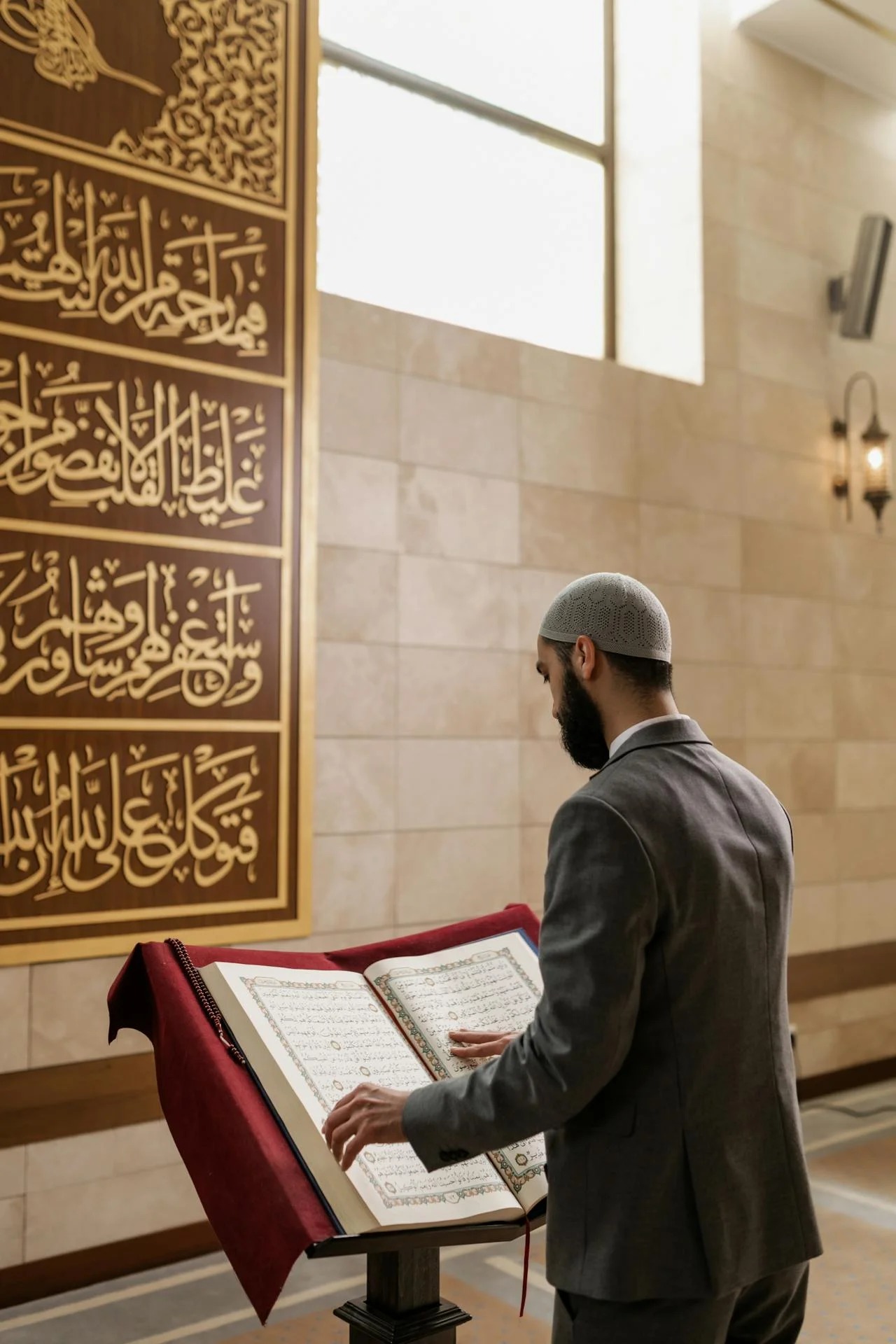
Many students focus solely on Tajweed rules without understanding the language of the Quran. While recitation is noble, understanding Arabic unlocks a completely new dimension of connection with Allah's words. Here is why learning Arabic is a game-changer for your recitation.
1. Proper Pronunciation Comes Naturally
Tajweed rules are essentially the grammar of Quranic pronunciation. When you understand Arabic phonology, articulating letters like 'Ain (ع) and Haa (ح) becomes second nature, rather than a forced mechanical action.
2. Knowing Where to Pause
One of the challenges for non-Arabic speakers is knowing when to stop while reciting. Pausing at the wrong place can change the meaning of a verse entirely. Knowing Arabic helps you pause at the end of complete thoughts, preserving the integrity of the message.
Pro Tip
Start with "Quranic Arabic" vocabulary lists. You'll be surprised to find that 80% of the Quran is made up of just a few hundred recurring words.
3. Emotional Connection
It is difficult to cry over verses you don't understand. When you comprehend the warnings, the promises, and the stories directly in Arabic, the recitation moves from your tongue to your heart. The Quran becomes a personal conversation.
4. Improving Khushoo in Salah
Distraction in prayer often comes from not engaging with what is being recited. If you understand the Fatiha and the Surahs you recite, your mind stays focused on the meanings, leading to a deeper, more tranquil prayer.
5. Appreciating the Miracle
The Quran is a linguistic miracle. Its eloquence, rhetoric, and word choice are lost in translation. Learning Arabic allows you to taste the sweetness of its literary beauty that challenged the poets of Arabia.