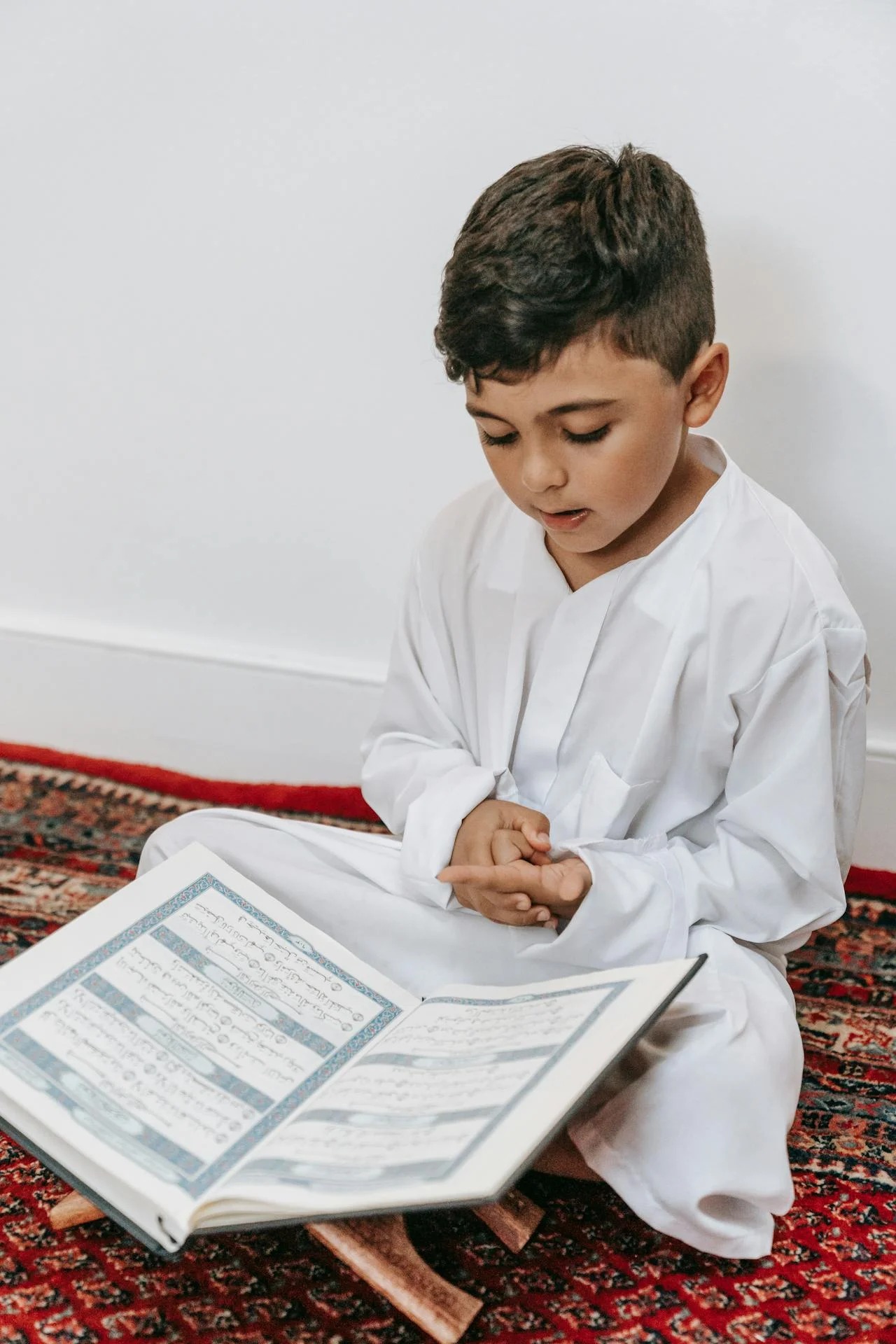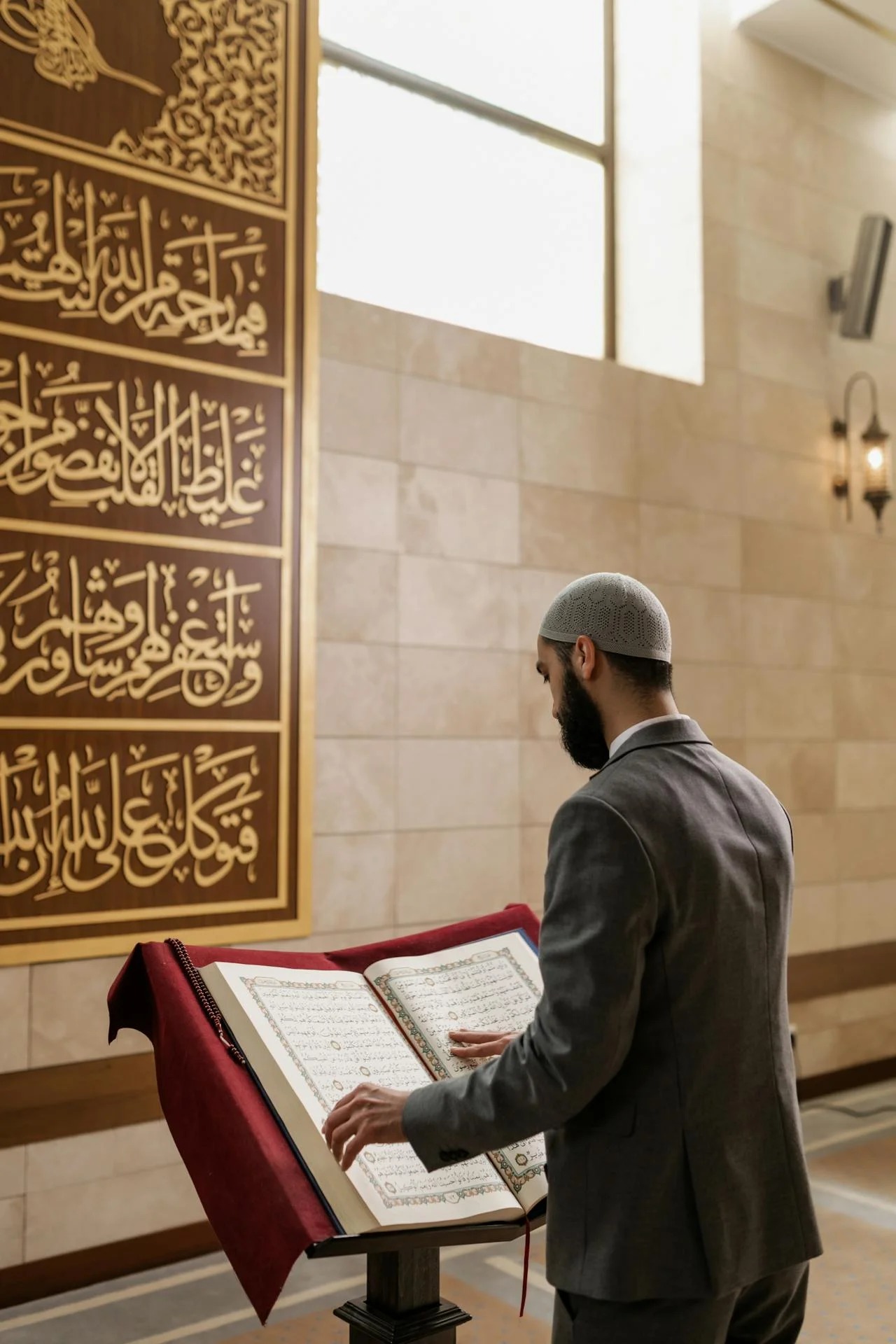

Tajweed is the art of reciting the Quran correctly, giving every letter its rights and dues. For beginners, mastering these rules can be challenging. Here are five common mistakes and how to avoid them.
1. Confusing Similar Letters
One of the most frequent errors is mixing up letters that sound similar but have distinct articulation points (Makharij). For example, confusing Seen (س) with Saad (ص), or Dal (د) with Dhad (ض). To correct this, practice the articulation points of each letter individually.
2. Incorrect Vowel Lengths
Short vowels (Fatha, Kasra, Damma) should be kept short, and long vowels (Alif, Ya, Waw) should be extended properly. Beginners often elongate short vowels, turning them into long ones, which can change the meaning of a word.
Pro Tip
Listen to renowned reciters like Sheikh Al-Husary to hear the precise timing of vowels.
3. Ignoring Ghunnah
Ghunnah is the nasal sound produced from the nose. It is an essential part of reciting letters like Noon and Meem when they have a Shaddah. Many beginners rush through these letters without giving the Ghunnah its proper duration (2 counts).
4. Missing Qalqalah
The letters of Qalqalah (Qaf, Taa, Ba, Jeem, Dal) create a bouncing sound when they are sakin (have a sukoon). A common mistake is either suppressing this bounce or applying it to letters that are not Qalqalah.
5. Stopping Incorrectly
Knowing where to stop (Waqf) and start (Ibtida) is crucial for preserving the meaning of the verses. Stopping in the middle of a connected phrase can distort the message. Always look for the designated stop signs in the Mushaf.